Rafael Otto · 26 October 2026
Polish High Schools Embrace AI-Powered Career Guidance Amid Shifting Educational Standards
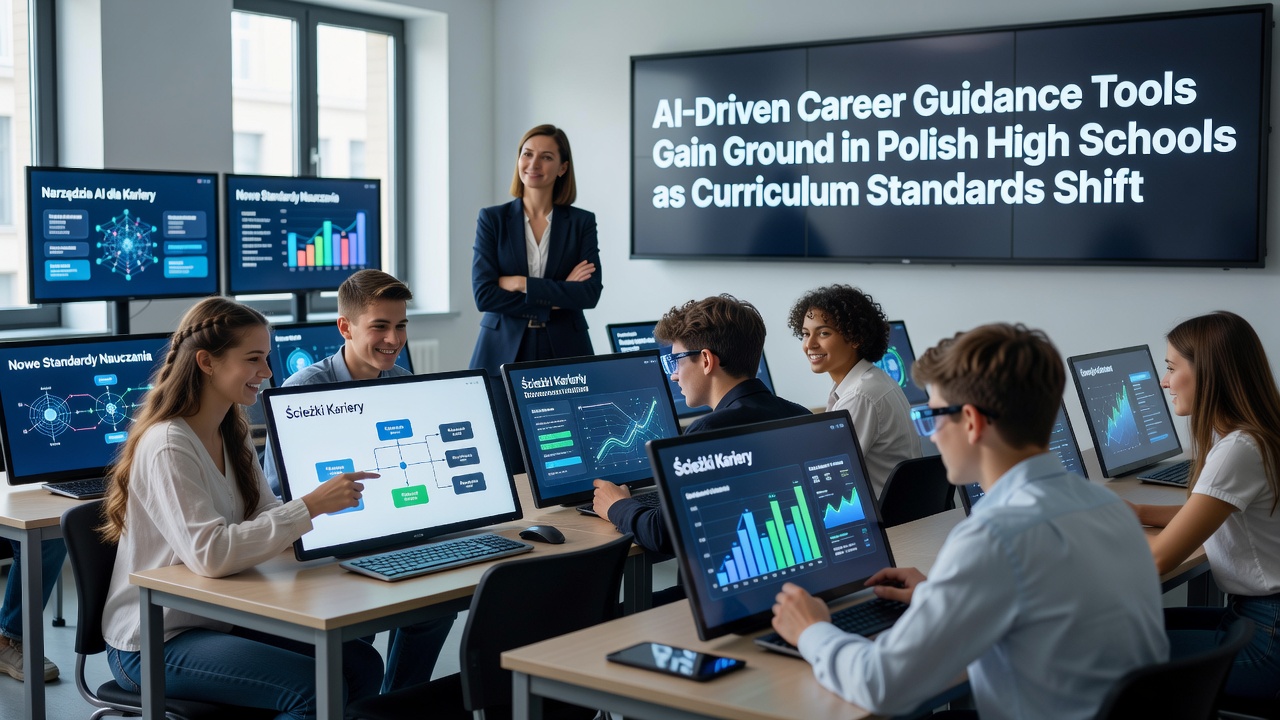
Polish secondary schools have started rolling out AI-driven career guidance platforms as curriculum adjustments take effect across the country, and observers note this development aligns with broader efforts to modernize student support systems. Data from the European Commission's education monitoring reports indicate that several regions began pilot programs in late 2025, with expansion planned through October 2026 when full integration metrics will undergo review by regional education boards. These tools analyze student performance data, interest inventories, and labor market trends to generate personalized pathway recommendations, while educators report that the systems reduce administrative workload associated with traditional counseling sessions.
Integration with Updated Curriculum Frameworks
Researchers at Warsaw University of Technology have documented how AI platforms connect directly to revised subject requirements that emphasize digital competencies and future-oriented skills, and this connection allows algorithms to map individual student profiles against emerging job sectors in manufacturing, technology, and green energy. Schools in urban centers like Kraków and Wrocław adopted these systems first because infrastructure upgrades from prior national initiatives provided the necessary bandwidth, whereas rural districts followed with targeted grants that covered hardware and training. Figures released by Poland's Ministry of Education show participation rates climbed from 12 percent of high schools in 2024 to 34 percent by mid-2025, reflecting steady uptake rather than rapid overhaul.
What's interesting is how the platforms incorporate real-time updates from European labor statistics, enabling recommendations that shift as market demands change. One study conducted across 45 schools found that students using AI guidance completed career planning modules 40 percent faster than those relying solely on in-person advisors, and teachers observed improved engagement when visual dashboards replaced paper-based assessments. Yet implementation varies, with some institutions combining AI outputs with mandatory teacher review sessions to maintain human oversight.
Technical Features and Data Handling Practices
The AI systems deployed in Polish classrooms typically employ machine learning models trained on anonymized national exam results and regional employment records, and they generate reports that highlight aptitude alignments with vocational tracks or university programs. Data protection follows EU GDPR standards, requiring explicit parental consent for minor students and regular audits by independent reviewers. According to findings published by the OECD's education directorate, similar tools in other member states have demonstrated reduced bias when training datasets undergo continuous diversification, a practice now mirrored in several Polish implementations.
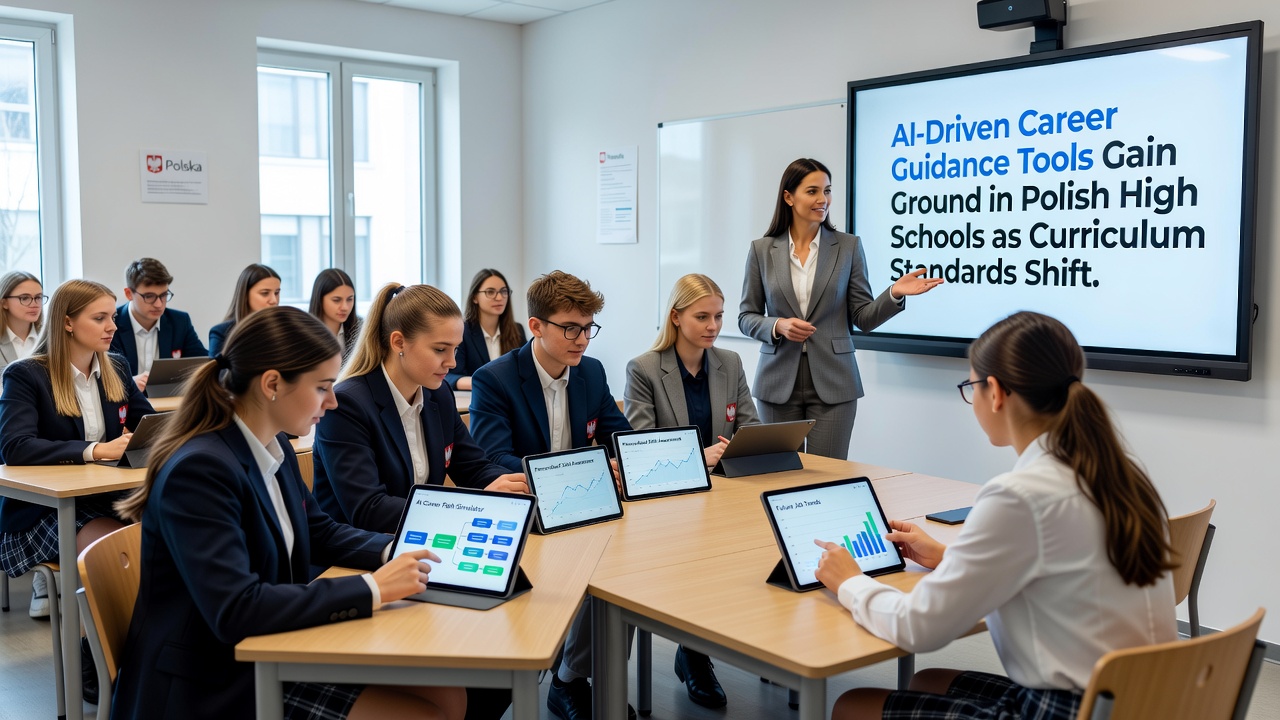
But here's the thing: not every platform operates identically, as vendors compete to offer features like virtual reality job simulations or multilingual interfaces that accommodate Poland's growing international student population. Schools testing multiple vendors during the 2025 academic year reported that customization options proved critical for aligning outputs with local industry needs in automotive and IT sectors. Researchers discovered that integration with existing school management software streamlined data flows, cutting the time required for initial student assessments from several days to under two hours in optimized cases.
Observed Outcomes and Regional Variations
Evidence gathered by the Polish Educational Research Institute reveals that students in participating schools show higher rates of exploring non-traditional career options, including roles in sustainable agriculture and digital content creation. In October 2026, national evaluations will assess whether these shifts translate into measurable changes in post-secondary enrollment patterns, and preliminary indicators suggest positive trends in vocational program applications. Districts with stronger teacher training programs achieved smoother rollouts, while those with limited digital literacy support encountered initial resistance that required additional workshops.
Take one region in eastern Poland where administrators partnered with a Canadian research consortium to adapt an AI model originally developed for North American contexts, and the cross-regional collaboration produced refinements that better reflected Central European employment realities. Observers note that such partnerships expand the knowledge base available to Polish educators without requiring entirely new development cycles. Meanwhile, government statistics indicate that female student participation in STEM-related recommendations increased by 18 percent in schools using gender-balanced training data.
Future Monitoring and Adjustment Cycles
Education authorities plan iterative updates to the AI guidance frameworks every academic year, incorporating feedback from students, teachers, and industry partners to refine accuracy. This approach follows patterns established in other EU countries where longitudinal studies track long-term career satisfaction among users of similar systems. Data indicates that schools maintaining hybrid models, blending AI insights with periodic human counseling, sustain higher satisfaction scores among both staff and families.
Conclusion
Polish high schools continue to embed AI-driven career guidance into daily operations as curriculum standards evolve, and this process relies on coordinated efforts among technology providers, regional authorities, and academic researchers. The October 2026 review will supply further evidence on scalability and effectiveness, guiding decisions about nationwide expansion or targeted refinements. External analyses from organizations like the OECD continue to inform best practices, ensuring that developments remain aligned with international benchmarks while addressing local priorities.